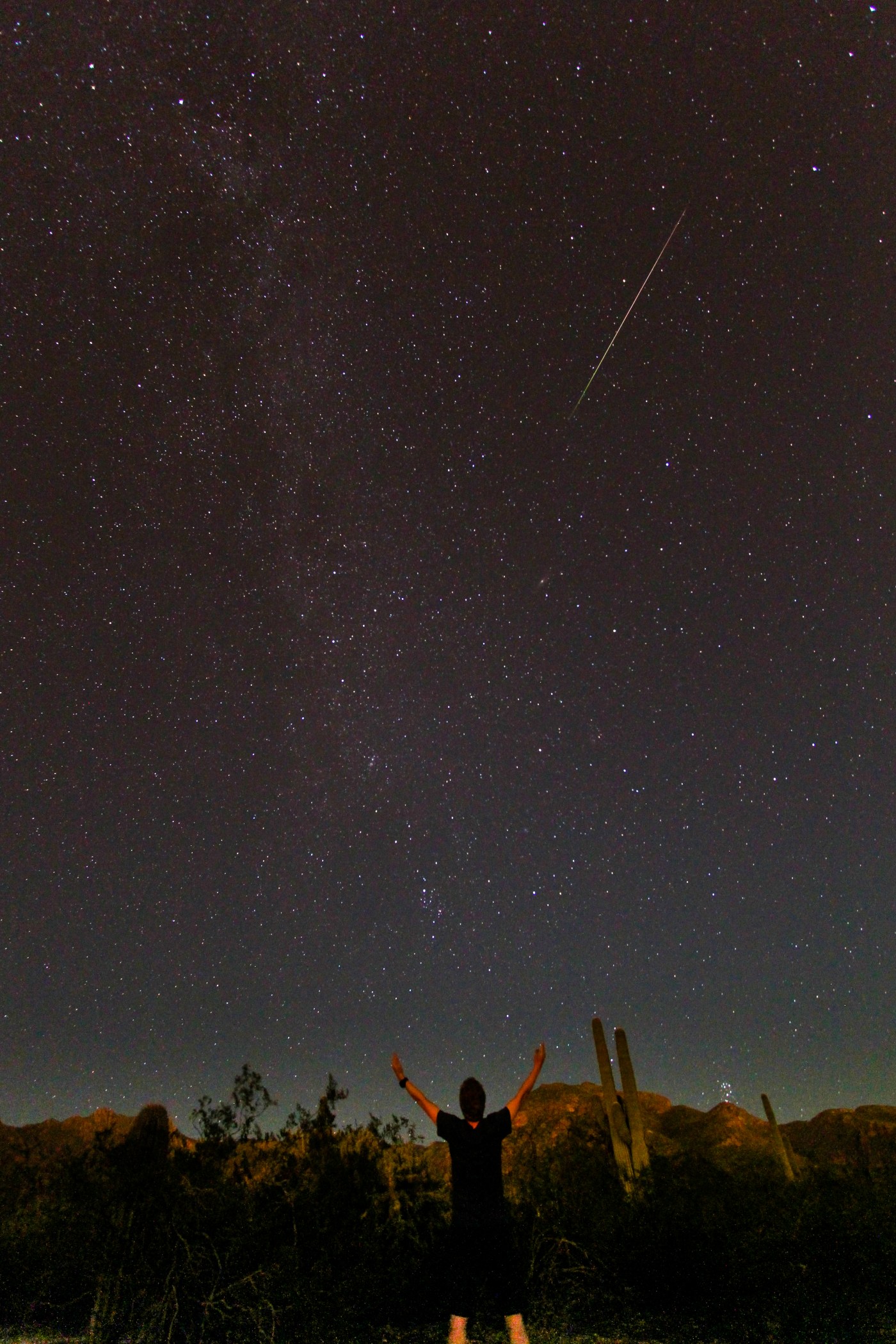
Hi there, and welcome to my Blog!
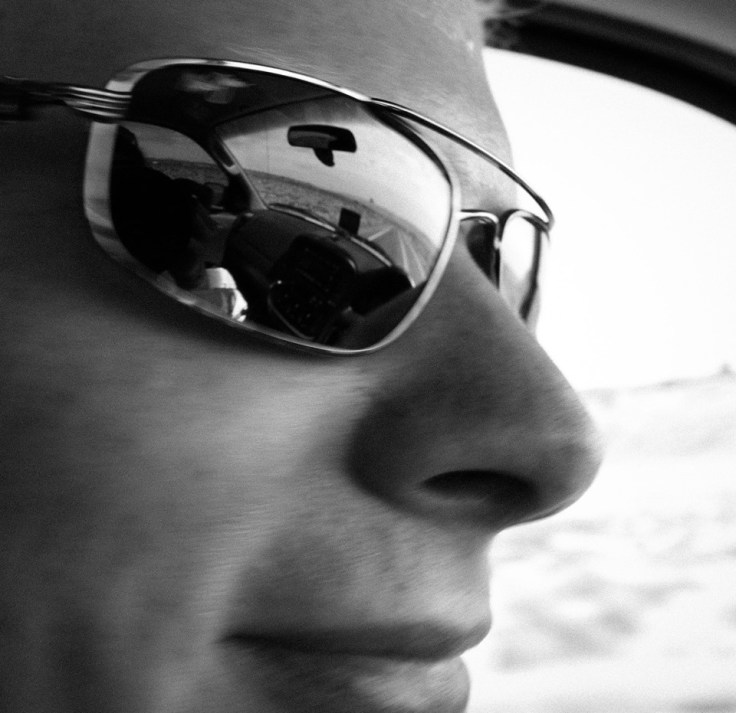
I’m a scientist-turned-data-scientist living in Orlando, Florida with my wife, son, and golden retriever. On this blog I write about things that interest me, mostly on the intersection of data science and personal finance, and it is also the place where I like to share some of my nature and travel photography. I am originally from The Netherlands, where I did my Ph.D. in astrophysics, and where I worked for six years as a scientist on remote-sensing of the Earth’s atmosphere (more on that below).
Since 2015 we have lived in the USA. We first spent a few years in Tucson, Arizona, where I fell in love with the Southwestern landscapes. In 2017 we were lucky enough to witness the Great American Eclipse during an epic road trip, driving from Tucson to Wyoming. We then moved to Santa Cruz, California, which was very pretty, especially by bike, but living there turned out to be much less affordable. In 2019 we moved from California to Florida, where my wife is now a professor at UCF. We took the opportunity to drive the I-10 from coast-to-coast (about 2838 miles). You can find some examples of my love for nature and travel adventures on my photography page.
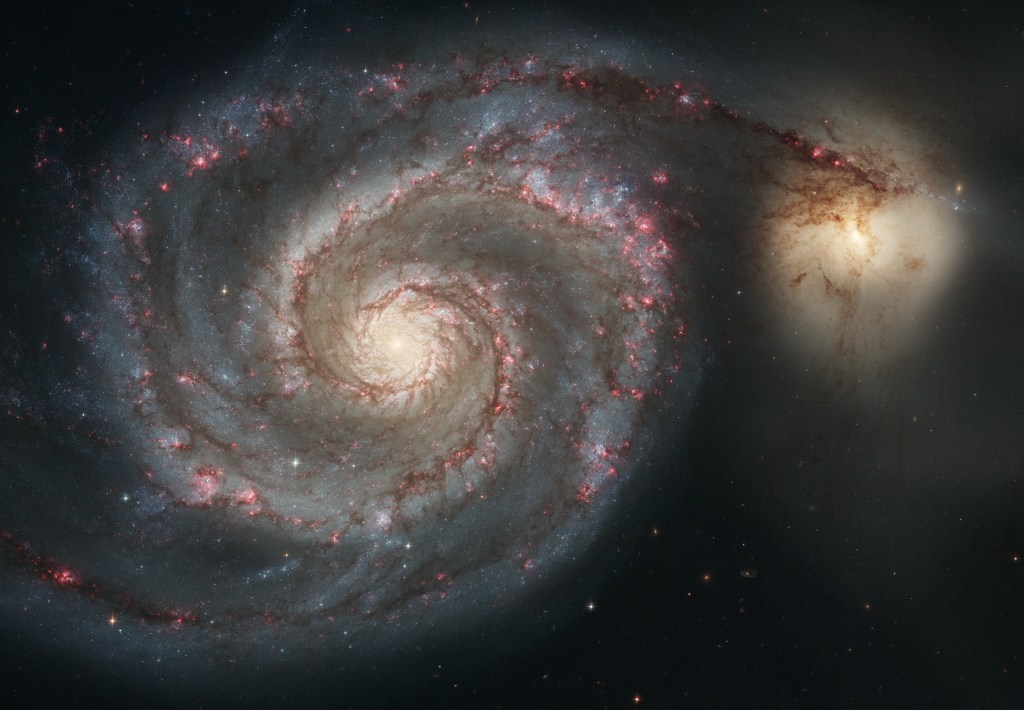
Since I was a little boy I always wanted to be a scientist. I was fascinated by everything with lenses in it, and I loved doing experiments with my little microscope, binoculars, and chemistry kit. I also tinkered with electronics and I once drew a scale model of the solar system on a 20-foot stretch of millimeter graph paper (I was always very detailed oriented). I went to study Physics & Astronomy at Utrecht University, as I figured that these are the greatest sciences, and they include basically everything else in the universe (so I could always “work my way down” from there). For my Ph.D. thesis I studied star clusters, using this famous image of The Whirlpool Galaxy, taken by the Hubble Space Telescope (yes, I studied that image for 4 years!). I studied how star formation depends on environment by measuring the properties (size, age, mass) of thousands of star clusters across those spiral arms.
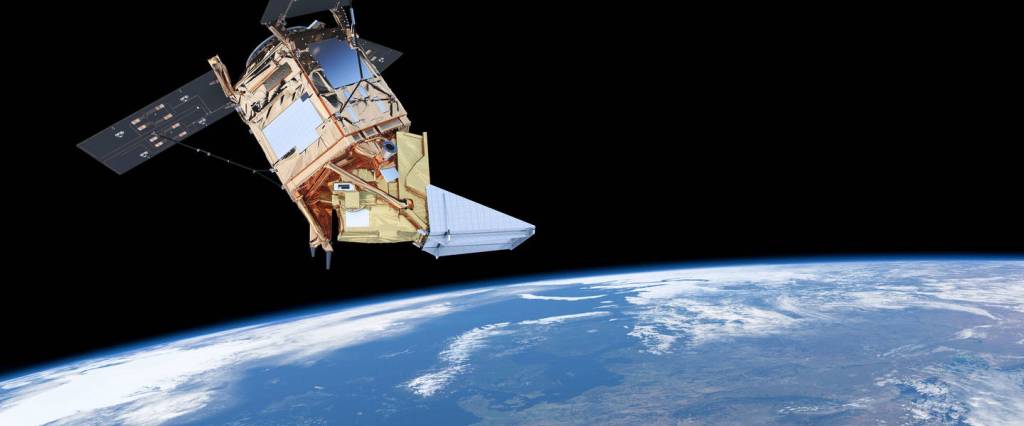
After my Ph.D. research, I turned the satellites around (slowly working my way down). I was ready for a more applied take on science in a field with a higher impact on humanity, so I started working on remote-sensing of the Earth’s atmosphere at SRON (The Netherlands Institute for Space Research). They had just started a project in an exciting new field: measuring water isotopes in the atmosphere, globally, from space. This would give us new insights into the water cycle and lead to improved climate models. I worked on improving these pioneering HDO/H2O measurements from the SCIAMACHY instrument onboard the ENVISAT satellite (which retired in 2012), as well as on modeling and simulations for the new TROPOMI satellite, which was launched in 2017.
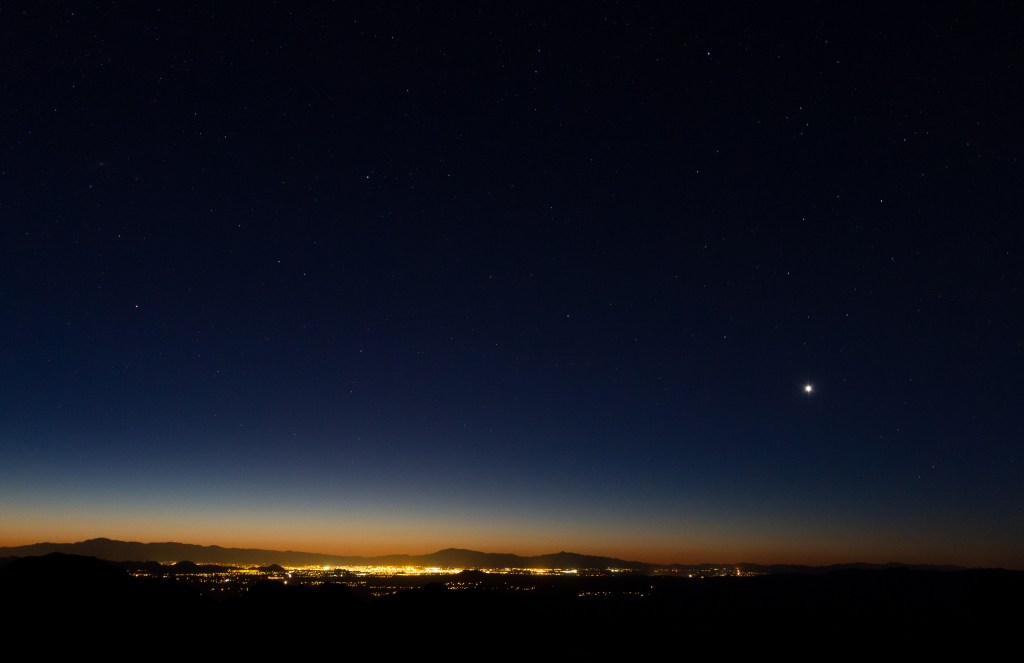
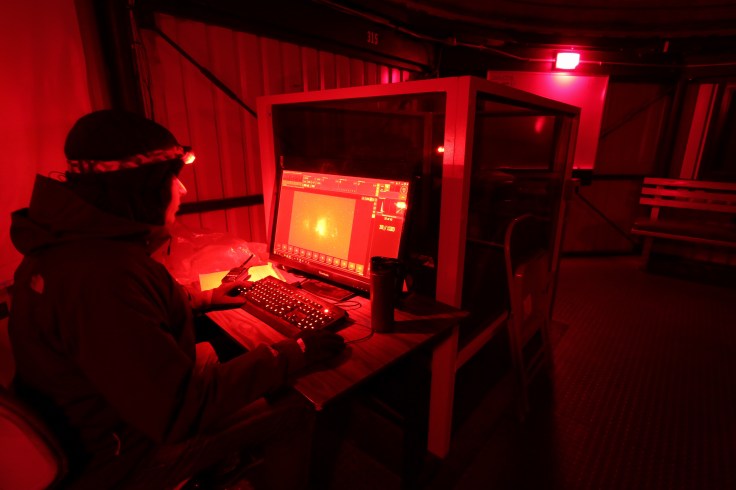
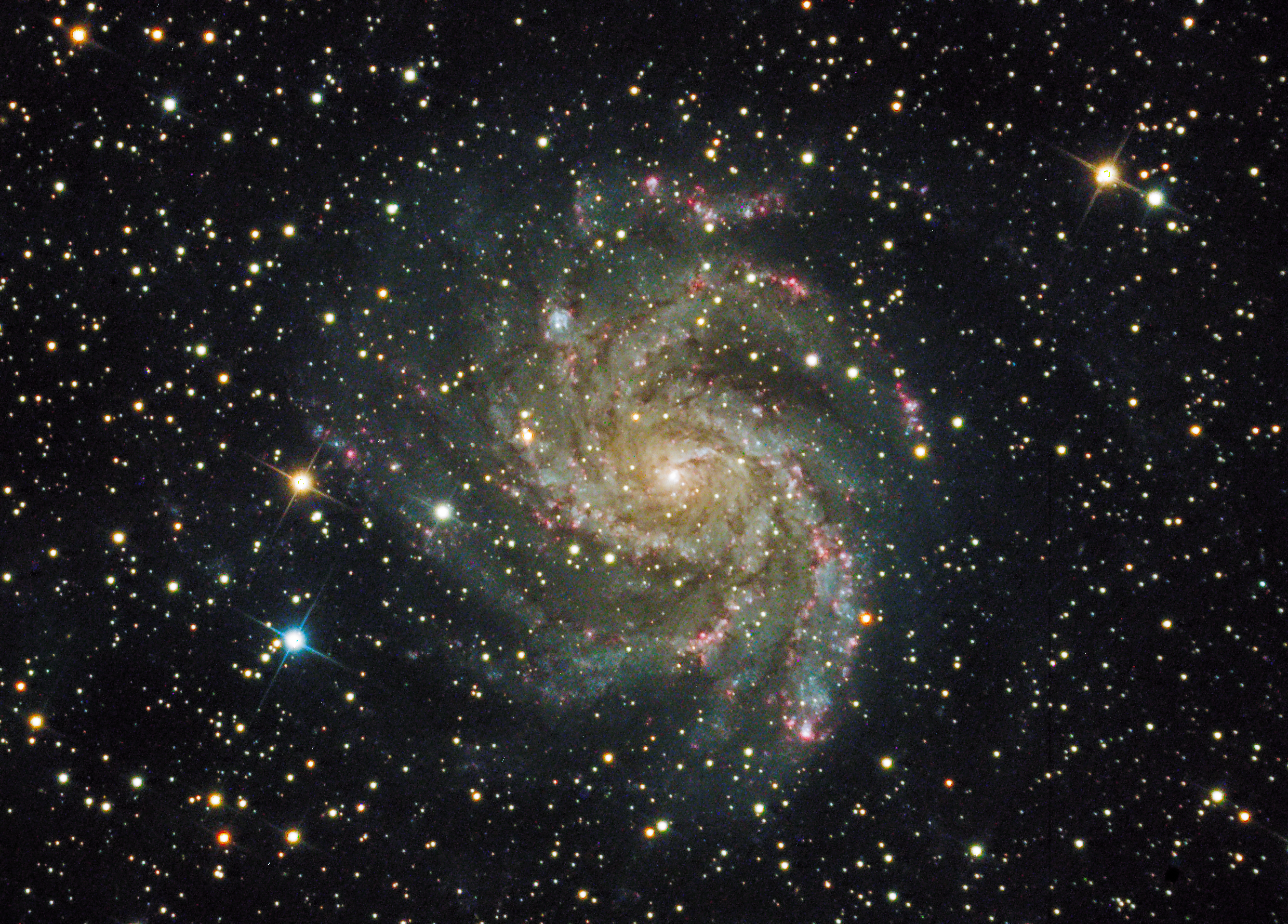
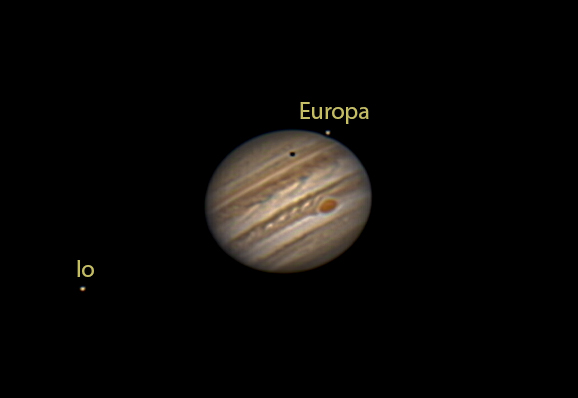
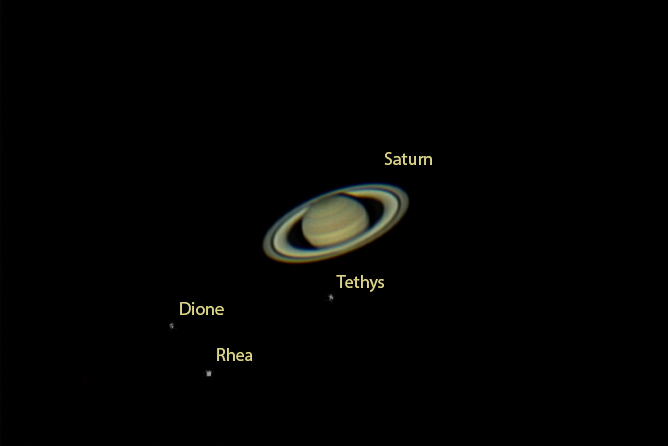
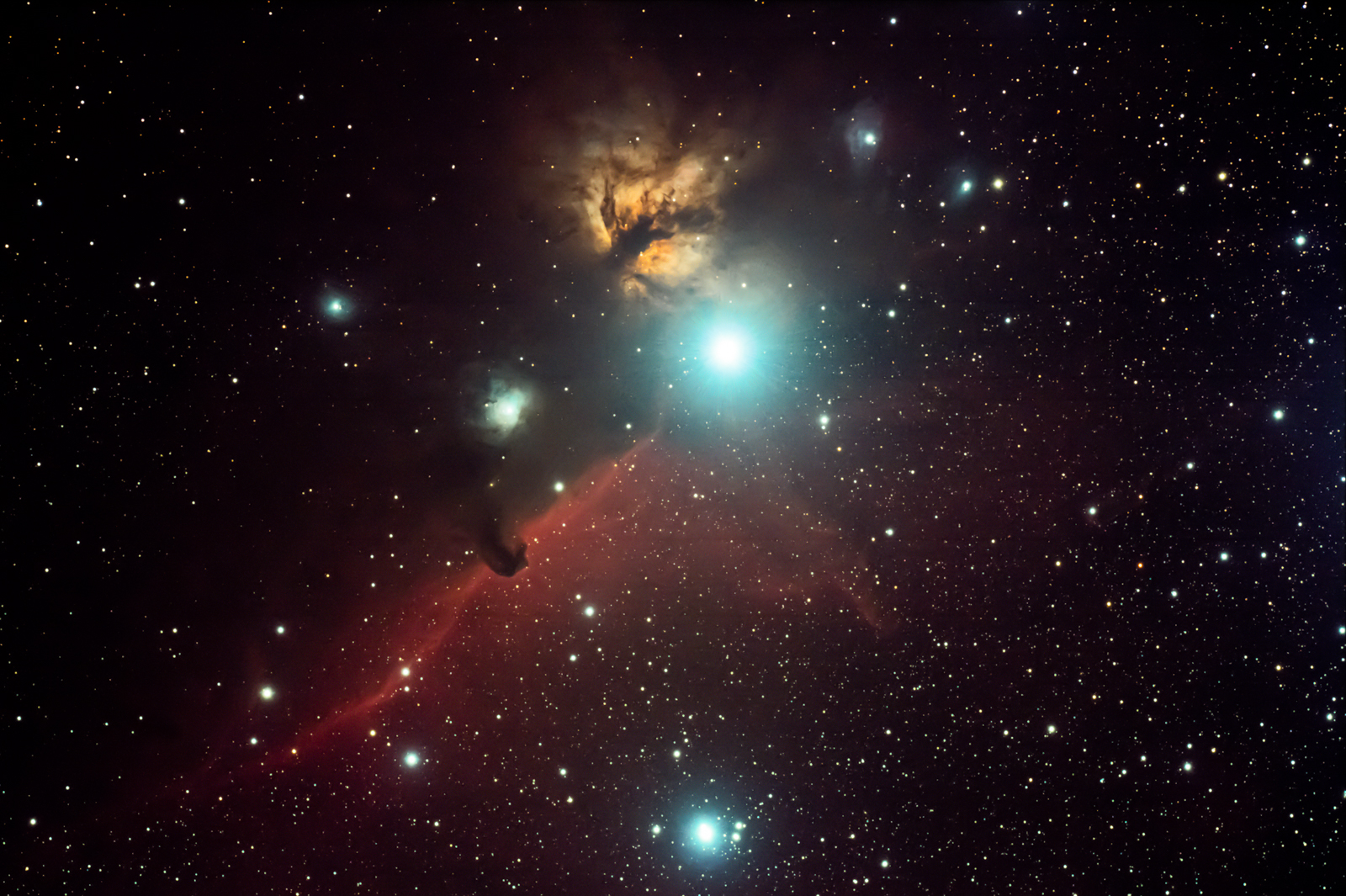
In 2015 I finally decided to join my wife on her American adventure. I moved to Tucson, Arizona, where she (also an astronomer) had started a postdoc position. Arizona is well-known for its dry climate and dark, clear skies, so it’s no surprise that the world’s largest and most diverse collection of research telescopes can be found on Kitt Peak, a mountain sacred to the Tohono O’odham Nation, 50 miles from Tucson in the Sonoran desert. I took the opportunity to work at the Kitt Peak Visitor Center for a year, leading night-time observing tours and performing astrophotography with visitors from all over the world. Here are some examples of the images I made for my guests (images courtesy of AURA/NSF):
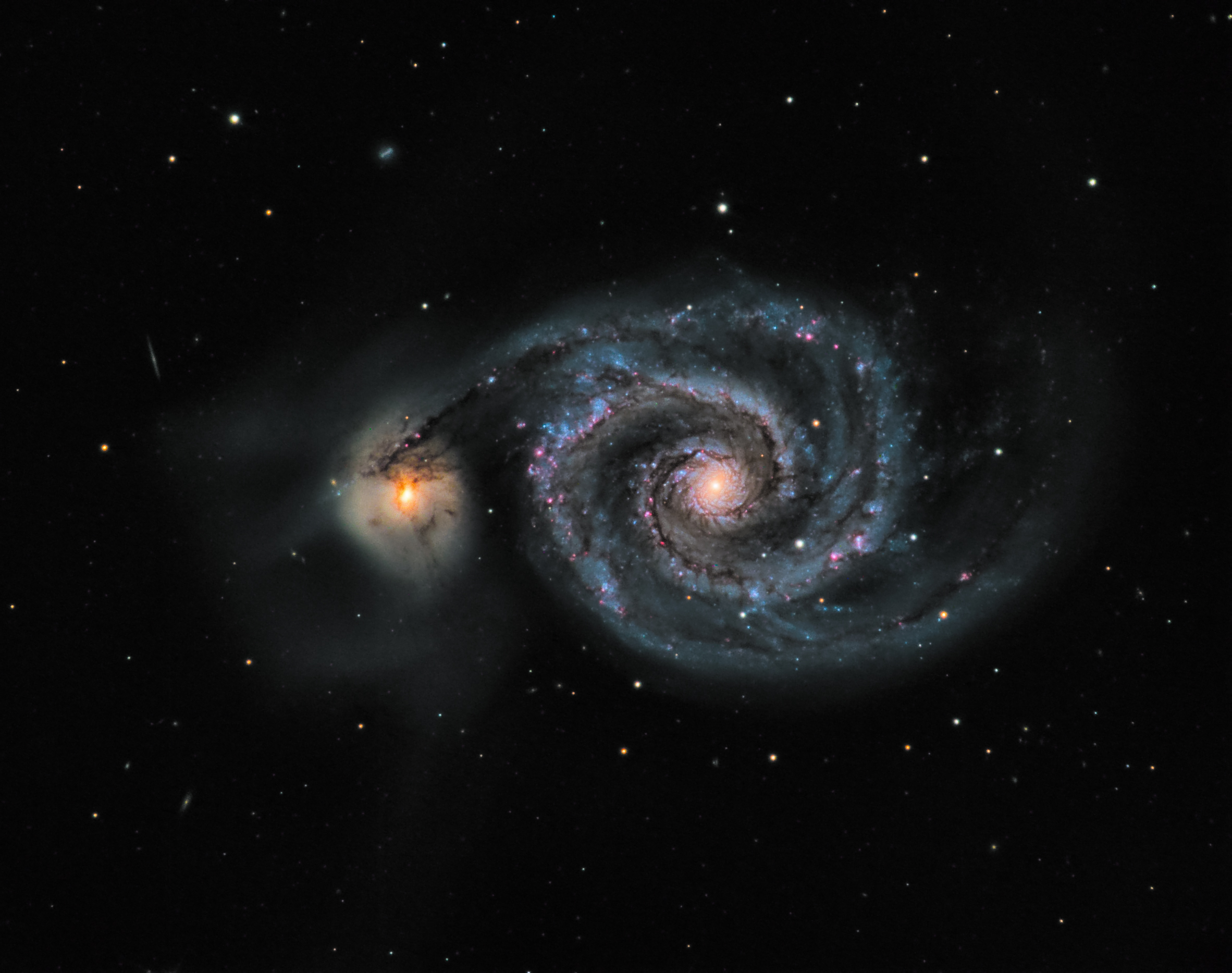
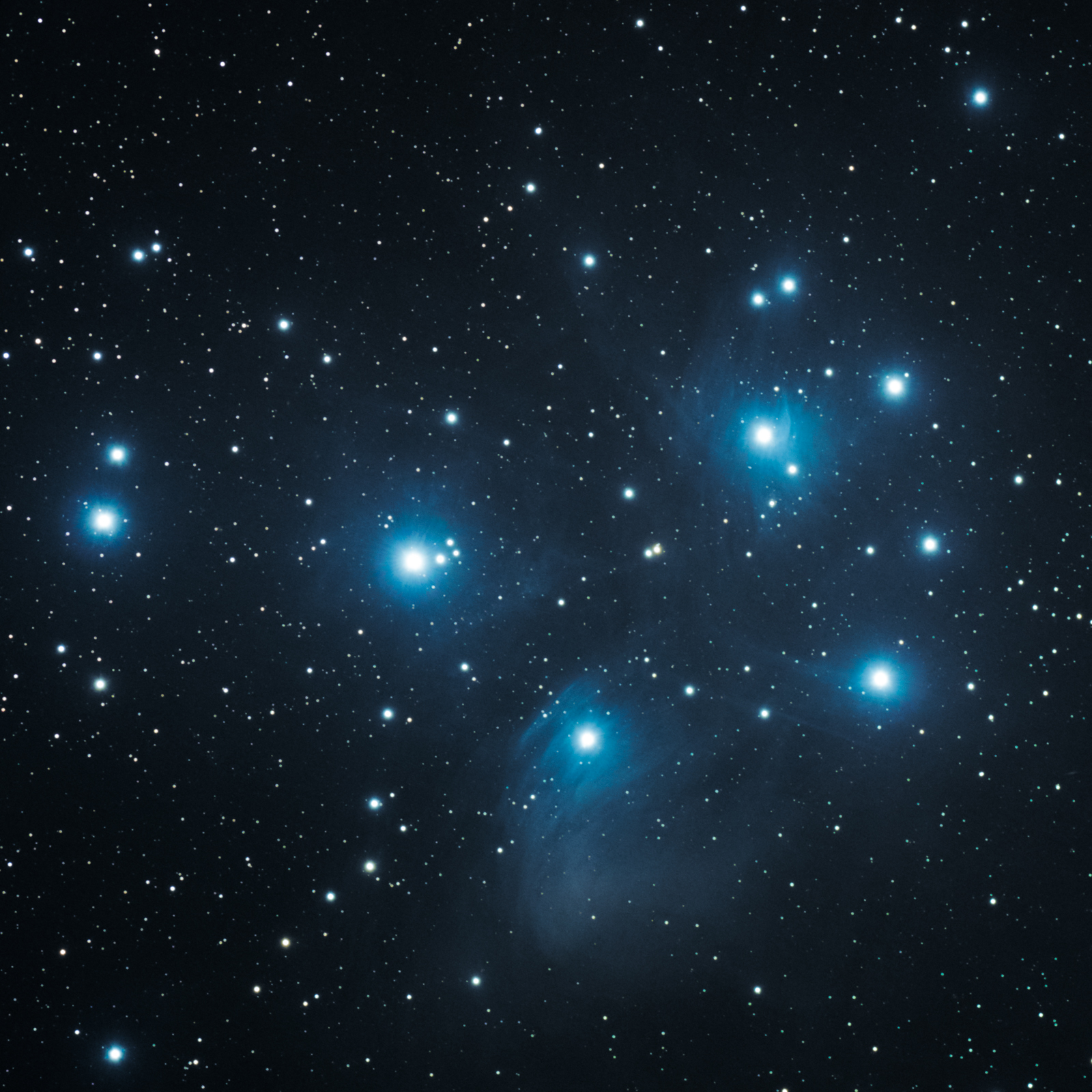

Kitt Peak was a very special place for me, and I really enjoyed working there, but in 2017 we had to move to Santa Cruz, California for my wife’s new postdoc position. After the Sonoran desert, it was quite refreshing to enjoy the rugged west coast and the spectacular redwood forests, and I could enjoy both the beach and the mountains on a single bike ride! This was also the place where I became interested in personal finance and investing (thank you, Californian prices), and I started to hone my data science skills, following numerous online courses on Python, statistics, machine learning, and big data. Due to a change in my visa status (from J2 to H4), however, I could not immediately apply my skills in a new job (lacking a work permit), so I worked on some finance- and data-related hobby projects instead, and I started this blog.
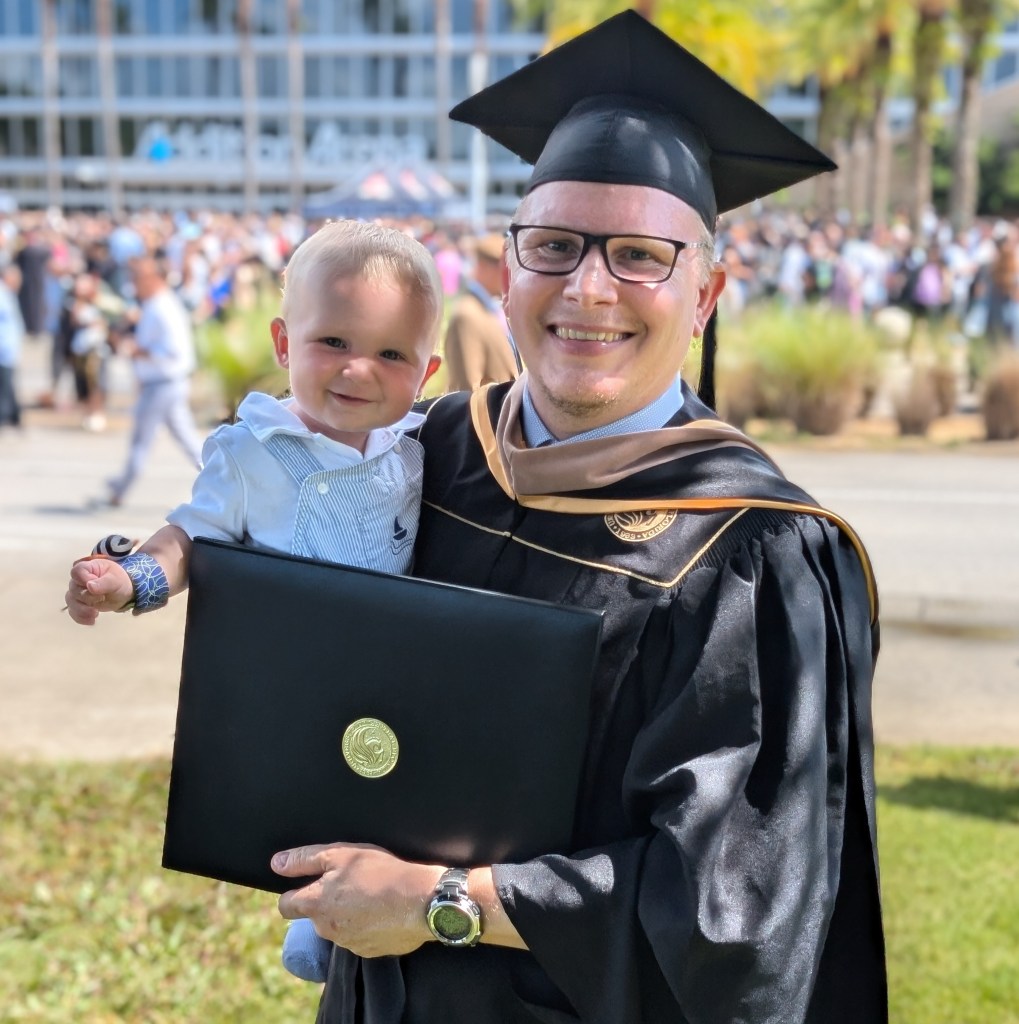
Our Californian adventure only lasted a year, before we moved cross-country to Orlando, Florida, where my wife is now an associate professor in theoretical astrophysics at UCF. We became permanent residents (green card holders), and we could finally afford a place big enough for some family expansion! To blow new life into my job search, I decided to add a Masters degree in Business Analytics, which I finished in 2024. My capstone project was about “Selecting the Optimal Credit Card Portfolio,” and included Monte Carlo simulations and an interactive Shiny app developed in R (a blog post about this project is being prepared, in the meantime you can find the entire project repository and research paper on GitHub). Not only did this refresh my advanced data analytics, scripting, and statistics skills, but I now also have some strong microeconomics skills, as well as experience with R, Tableau, and Power BI. These skills will definitely come in handy in my next role as a data scientist or analyst, so come back soon to read about it here!
Resume & Ph.D. thesis
You can download my current Resume here:
And click here to download a free copy of my Ph.D. thesis “Star Clusters in the Whirlpool Galaxy”:
You can also leave me a message using the contact form below.


 Remco Scheepmaker